About Us
Mentor Group is a non-profit 501(c)(3) research institute for constitutional and political exchanges. From its inception to today, Mentor has focused on promoting the principles of justice and rule of law, ensuring that our economy provides strong foundations of fairness and openness for participating members of a global community. Unique among public service organizations, we entered the 21st Century bringing together cross-Atlantic viewpoints and collaborative conversations with senior jurists, officials, political representatives, academics, military and industry leaders concerning the evolution of European and American political economy and security relationship.
Explore The Mentor Group
Four decades of transatlantic symposia, forums, and constitutional exchange.
Read more →Our current forums and past initiatives across the EU and United States.
Read more →The board of directors and advisory board who guide our work.
Read more →
Mentor Group Advisory Board
University of Tübingen Law Faculty
Mentor Group Founding and Purposes
Established in 1983 in Boston, Mentor Group is a non-profit 501(c)(3) research institute that founded a distinctive constitutional, legal-economic and political-economic exchange following the classical definition of political economy that applies the principles of justice to economic and business affairs. Unique among public service organizations, we entered the 21st Century bringing together cross-Atlantic viewpoints and collaborative conversations with a peer group of Supreme Court Justices and senior Judges, legislators, EU Commissioners, scholars and industry leaders in the European Union and the United States.
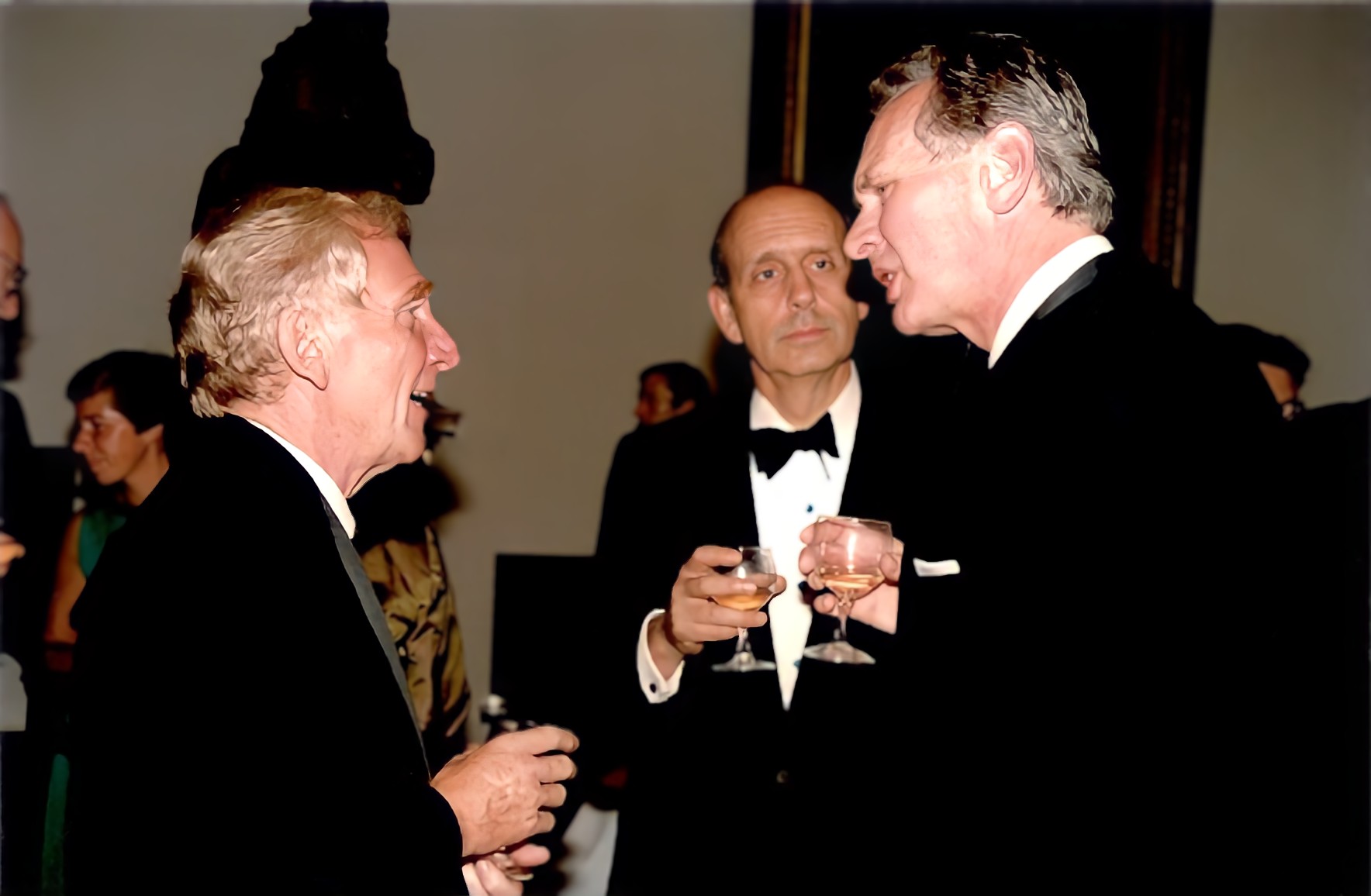
Mentor Group began this exchange in its inaugural Symposium collaborating with the Woodrow Wilson Center at the Smithsonian Institution in Washington, DC. The Chief Justice of the United States Supreme Court Warren Burger presided over this Symposium in 1985 where the principal address was given by The Honourable Lord Cameron, KT (Lord of Session and President of The Royal Society of Edinburgh), who related Scottish political economy from the Enlightenment to the founding of the United States of America. US Appeals Court for the DC Circuit Judge Robert Bork responded to Lord Cameron. Mentor Group then helped prepare the overseas contributions to the United States Constitution Bicentennial Symposium of the Smithsonian Institution in May 1987.
In 1988, these comparative constitutional studies took on a specific “Supreme Court” aspect when Mentor invited Lord Mackenzie-Stuart, then President of the European Court of Justice, to Washington to discuss the evolution of European Community law and his Court in comparison with US Supreme Court historical development and the influence of Chief Justice John Marshall. Chief Justice Burger presided at this Wilson Center Symposium. Senator Charles Mathias and Ambassador Elliot Richardson responded to Lord Mackenzie-Stuart.
Mentor Group’s next Symposium took place at the National Archives in Washington, DC and studied the achievement of the Grundgesetz (Constitution) of the Federal Republic of Germany on its fortieth anniversary in 1989. This Symposium explored the interdependence of the German Constitutional Court with the political and economic strength of the Federal Republic itself. These studies probed how the Grundrechte (basic rights) of the Federal Republic provided a source for the economic vitality of Germany and for its political capacity adapting to inevitable constitutional change imposed by the collapse of the Berlin Wall several months later in November 1989.
In 1989, Mentor Group prepared a Symposium in honor of the Franco-American Judicial Exchange, which began at the National Archives in Washington, DC. Members of the Supreme Court of the United States and the French Conseil d’État led this exchange. In the same year, Mentor Group founded the Forum for Members of the Supreme Court of the United States and the Court of Justice of the European Communities, which convened at The Royal Society of Edinburgh in August 1991. During 1990, Mentor Group received a MacArthur Foundation presidential grant for the Forum.
Following the federalization of Russia and the expansion of the Constitutional Court’s authority, as mandated by the constitutional order ratified by the Russian people in December 1993, Mentor Group initiated exchanges between members of the Russian Constitutional Court, Parliament and other government officials, and their counterparts in the United States and Europe. Adapting universal principles to the Russian reality, the Troika for Russian Legal-Economic Affairs examined the possibility and demand for the rule of law in Russia’s modern economy, spanning the course of a decade.
Mentor Group’s work was primarily motivated by lack of understanding in the United States about the European Union and by misapprehension in Europe about the origins of the United States political economy. From these experiences emerged our enduring commitment to fostering informed dialogue and scholarship, believing that stronger transatlantic cooperation begins with a deeper appreciation of one another’s legal, political, and economic traditions.
Current Affairs and Legacy
Forum for EU-US Legal-Economic Affairs
Symposium on Statecraft
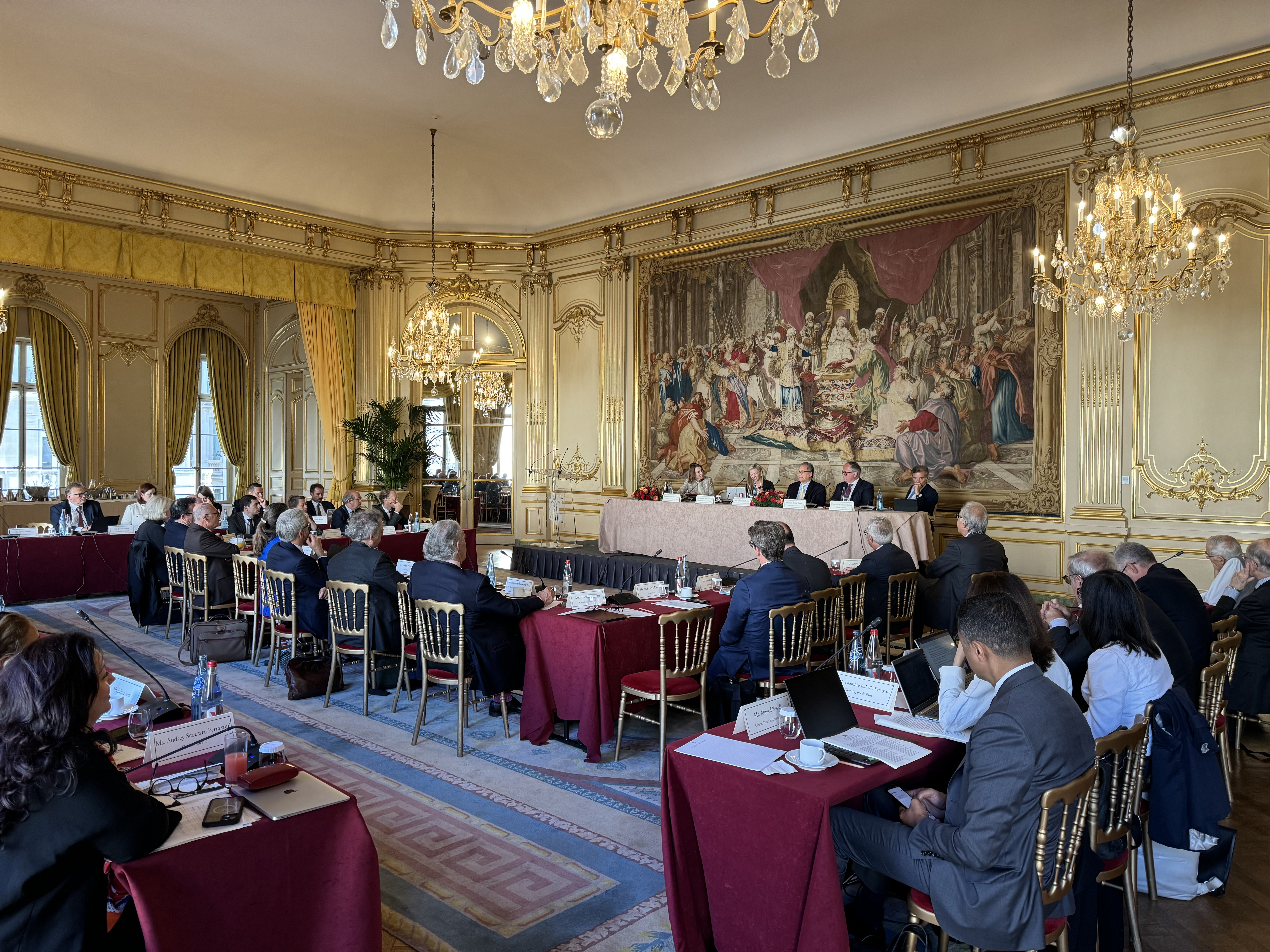
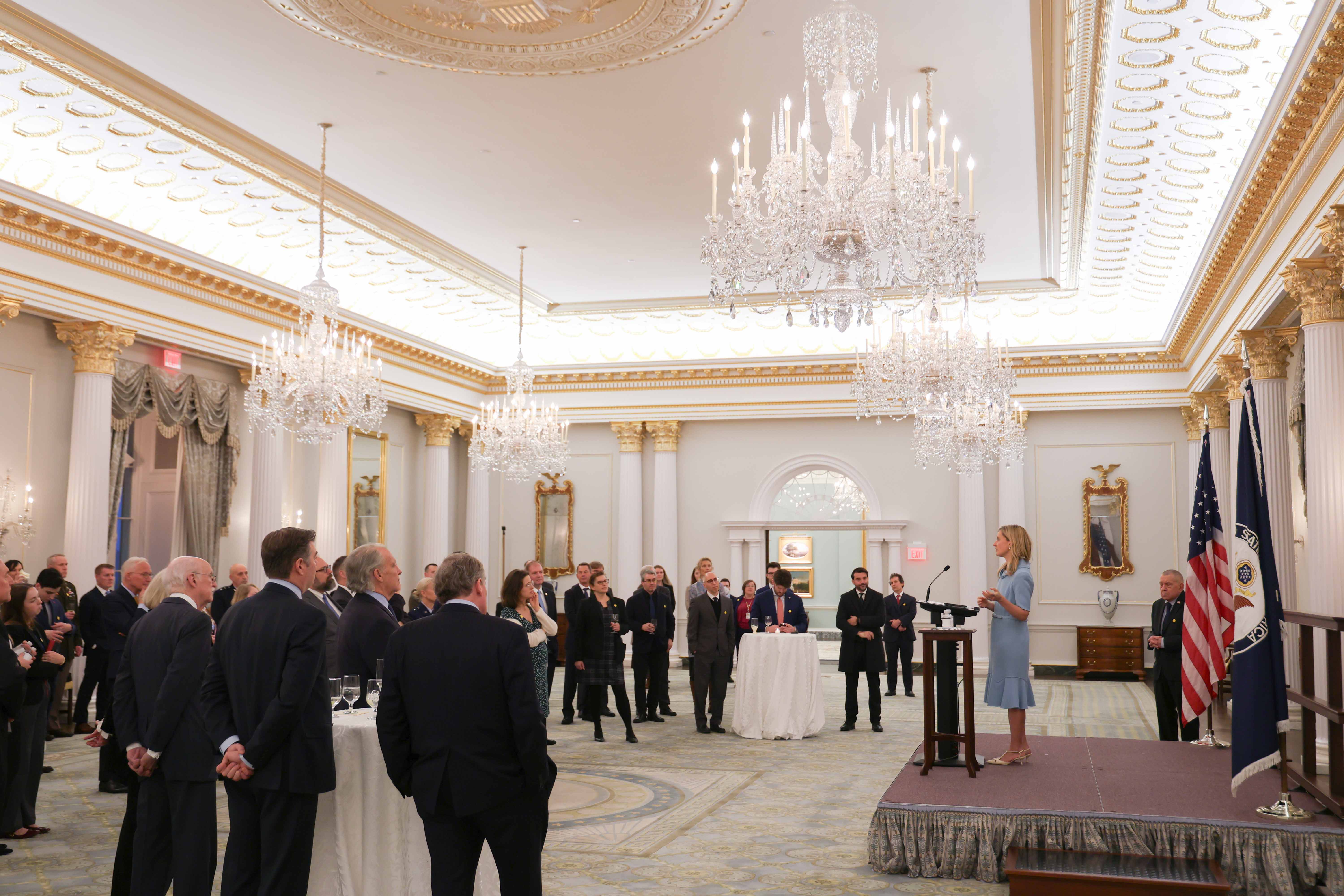
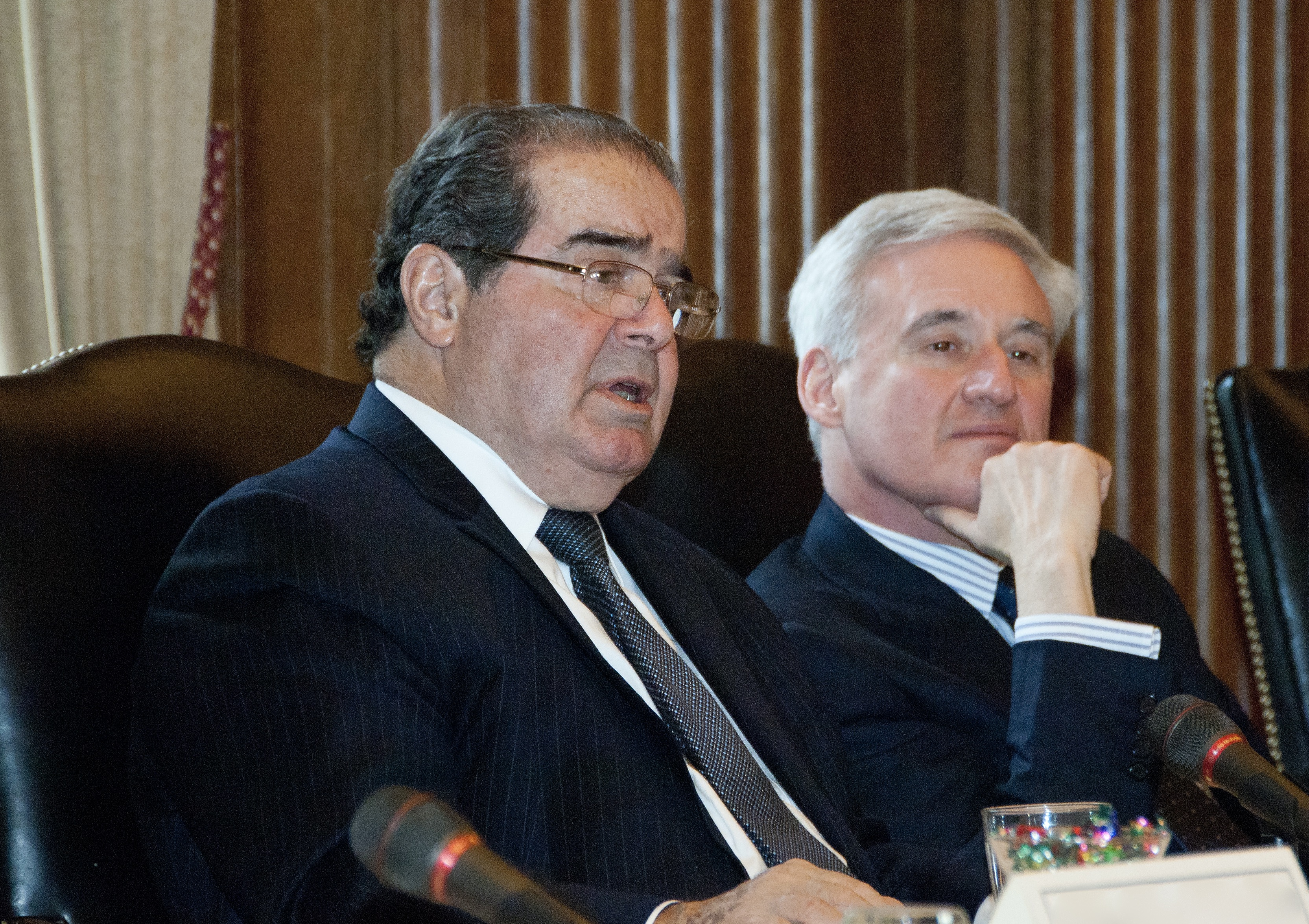
Founded in 2009, the Symposium on Statecraft meets annually in Washington, DC to unite visiting and US Supreme Court members with distinguished diplomats, military leaders and scholars. Building on the encouragement of Justices Antonin Scalia, Anthony Kennedy, and Stephen Breyer and drawing upon four successful decades of engagement with the Supreme Courts, the Mentor Group recognized the need to institutionalize this convergence of cross-Atlantic legal, political, and national security affairs. Senior jurists from Germany, France, the United Kingdom, Italy, and South Africa, among others, have contributed to these unique exchanges. Exploring the principles of the rule of law, Statecraft Symposium members assist their peers building statecraft yielding global security. This Symposium holds that statecraft must deliver and maintain free and open markets with constitutional protection of all market players.
Every year, 10-15 distinguished active-duty officers from all service branches and ranks are nominated to the cohort of Statecraft Fellows by affiliated Generals and principals to collectively discuss and educate each other on topics of statecraft — shaping leadership that unites constitutional governance with the demands of modern defense, ensuring the United States and its allies exercise statecraft with wisdom and foresight.
Ends of the Earth
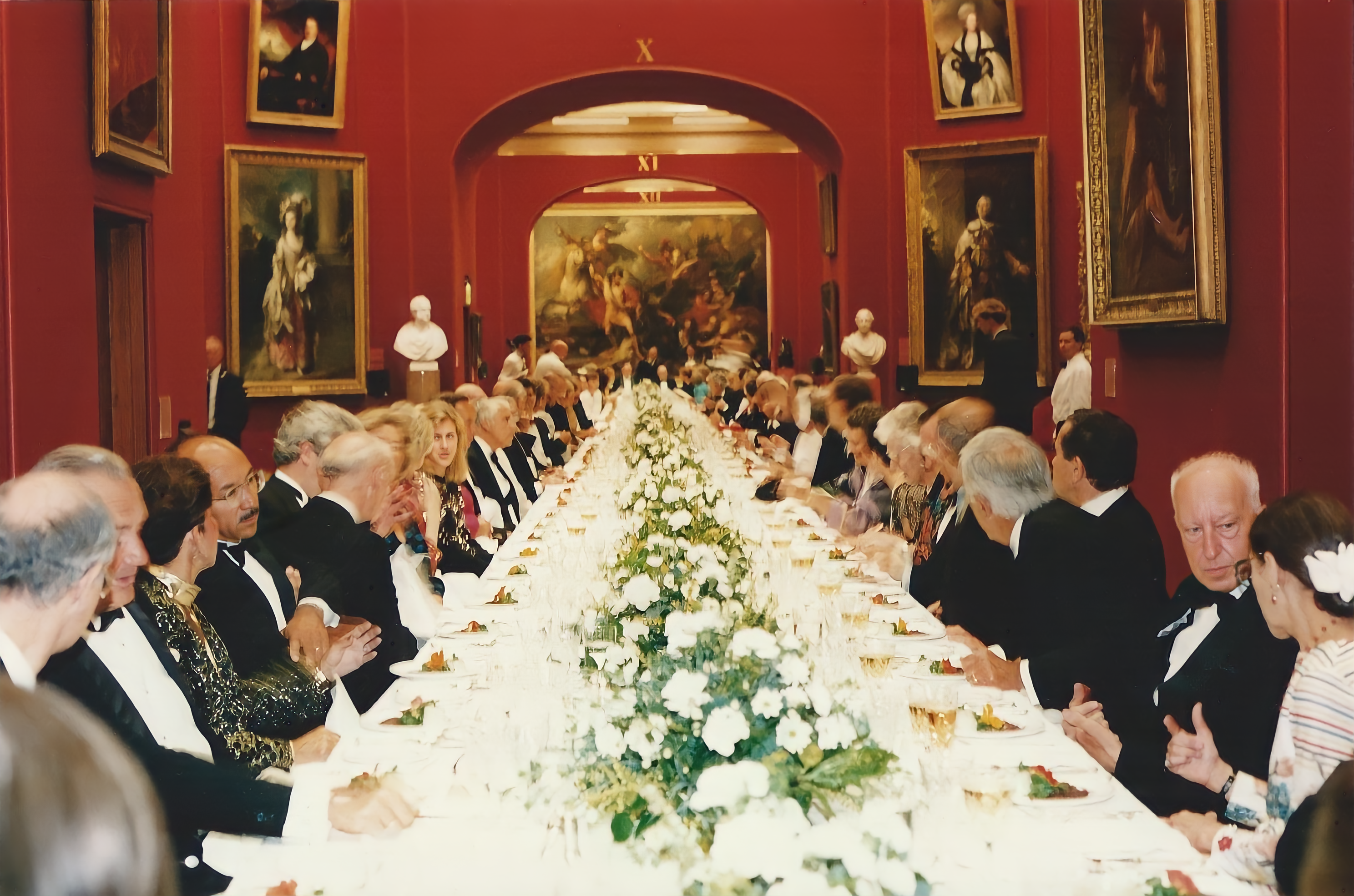
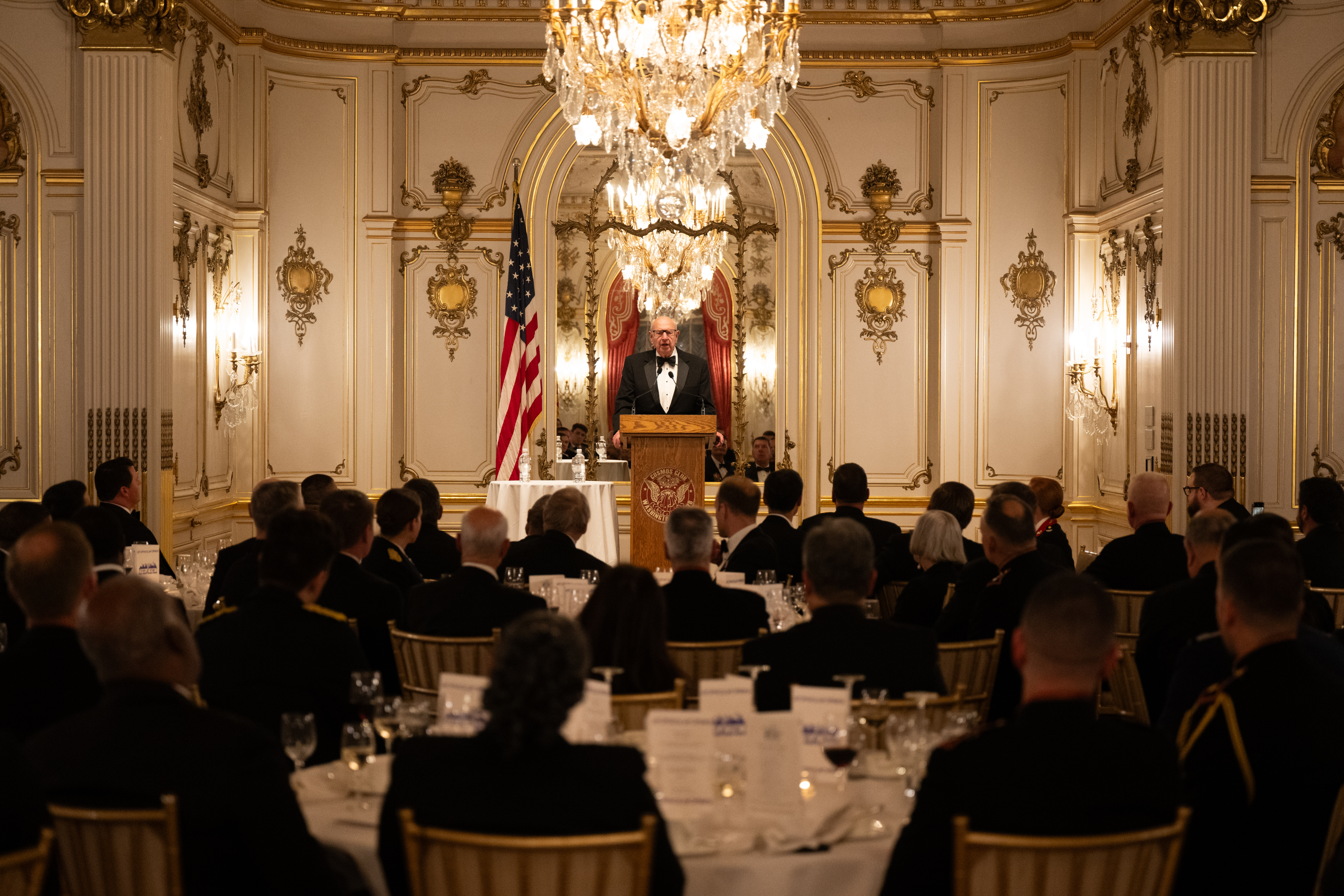
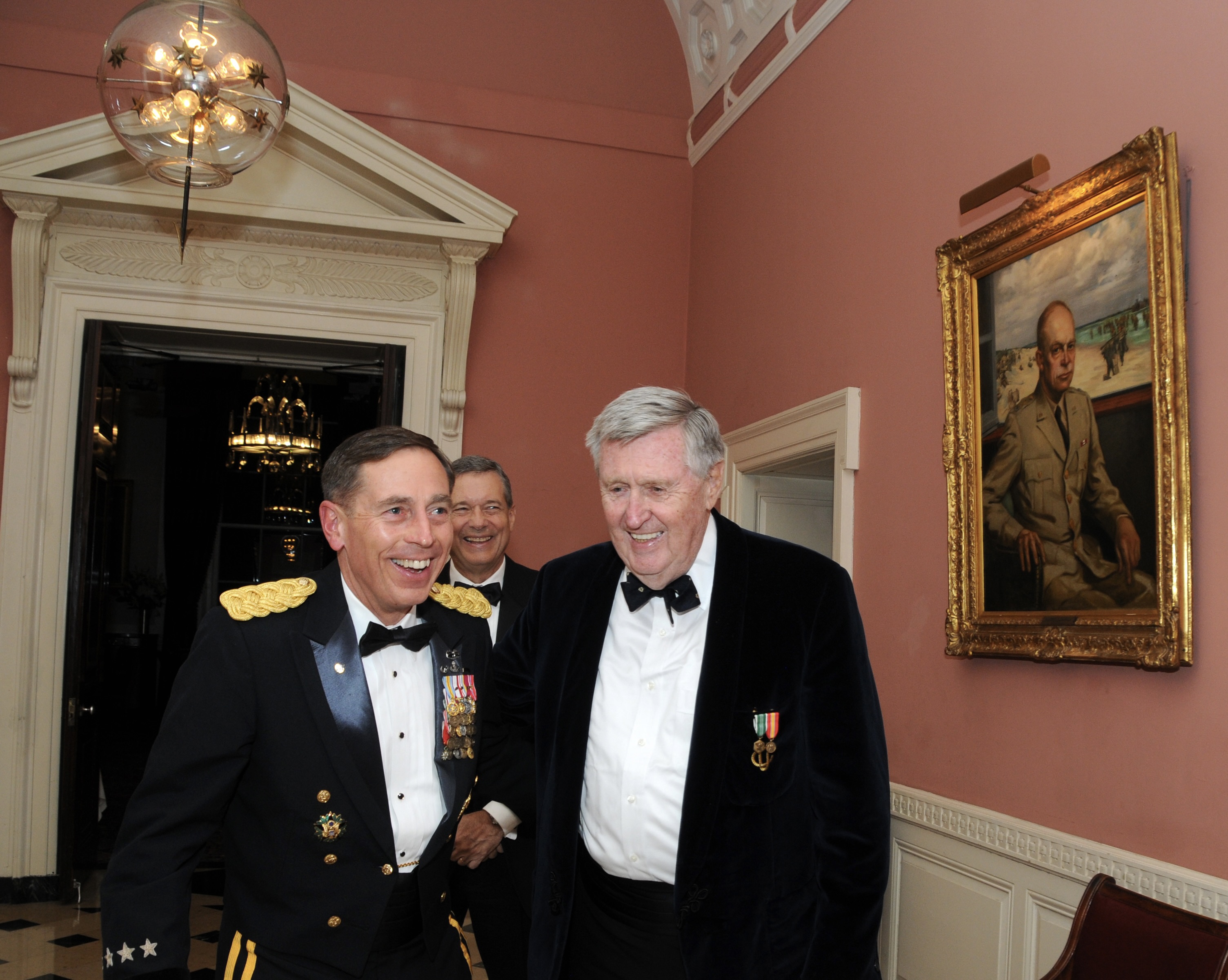
Mentor Group is the current custodian of the Ends of the Earth, a distinguished tradition that has convened annually since 1900, bringing together leaders from the armed forces, diplomatic corps, government, business, law, and medicine. Ends of the Earth is not a club, charity, corporation, or any other formal organization, but rather an enduring fellowship founded on shared values and camaraderie. In addition to the American Section, which meets in Washington, DC, there is a British Section based in London. Its founding Honorary Secretaries were Mark Twain and Rudyard Kipling, and over the past century its speakers have included Presidents William Howard Taft and Dwight D. Eisenhower, Prime Minister Winston Churchill, First Sea Lord The Lord Fisher and Admiral of the Fleet Mountbatten. Established as an informal military sodality of like-minded individuals, the founders declared “diners must be good fellows with no axes to grind who speak the language.”
Historical Activities
Seminar for the European Union Judiciaries
Beginning in 2005, the Seminar was the first to convene EU national court judges with European Court of Justice (ECJ) and United States Supreme Court members. It largely attracted EU national judges, who must apply EU law as consistent with their own Constitution. All member state judges grapple with cases whose judgments are increasingly at variance with one another and with ECJ case-law itself. This resembles United States federal court “circuit splits,” ultimately resolved by the United States Supreme Court, for which there is no analogous procedure in Europe.
Intellectual Property Seminar
The Intellectual Property Seminar convenes upon request of members of the Forum for EU-US Legal-Economic Affairs addressing judicial oversight of regulators. This comprehends European unitary patents and the new European intellectual property courts. Such exchanges inform intellectual property policy and related issues in the European Union such as competition and innovation, e-commerce policy and inherent copyright protections, among others.
Case-law Compendium on Economic Freedom and Administrative Power
Harvard Seminar on Statecraft and Political Economy
Founded in 1990, by Harvard’s then-President Derek Bok and at the behest of Chief Justice Burger, this Seminar convened Harvard Law and Harvard Business School students with officials and jurists from both the EU and US jurisdictions. The seminars explored durabilities of the American political economy, a term defined by Adam Smith in An Inquiry into the Nature and Causes of the Wealth of Nations as “the branch of the science of a statesman or legislator” concerned with the management system “providing a plentiful revenue or subsistence for the people.” Referencing the political economy of any nation, Smith cites rule of law for its dynamic principles of justice. Smith declares justice intrinsic to economic and business affairs that actually generate the wealth of nations.
Troika for Russian Legal-Economic Affairs
The Chatham House Rule of non-attribution governs our activities.